How AI Is Helping Beauty Product Sellers Reduce Costs and Increase Revenue
The hygiene products industry operates under intense pressure: thin margins, rising production costs, high ad competition, and constant demand for trust and consistency. Whether selling personal hygiene, household hygiene, or medical-grade products, brands must balance volume with efficiency.
Artificial Intelligence (AI) is now a key lever helping hygiene sellers cut costs while unlocking scalable growth.
Here’s how AI is reshaping hygiene businesses into lean, data-driven, performance-focused operations.
1. AI Cuts Marketing & Visual Production Costs
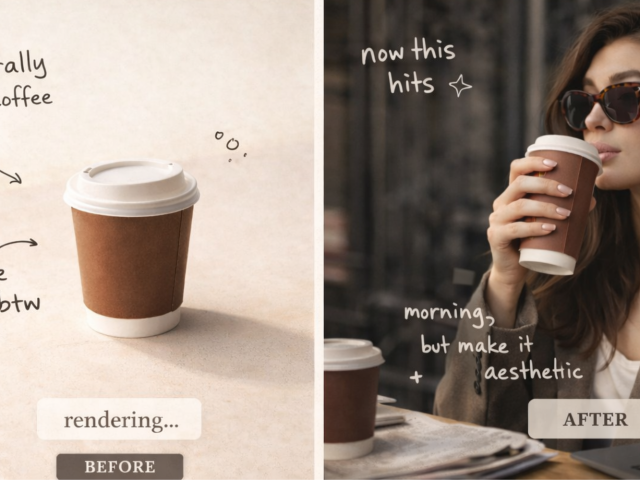
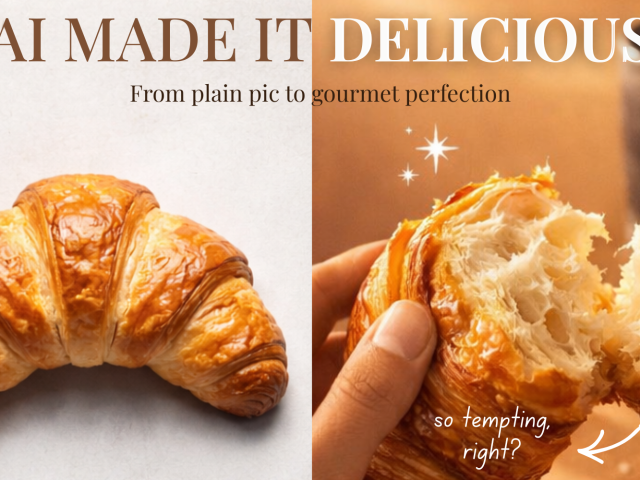
Hygiene brands rely heavily on product visuals, educational content, and trust-based messaging. Traditional production is costly and slow.
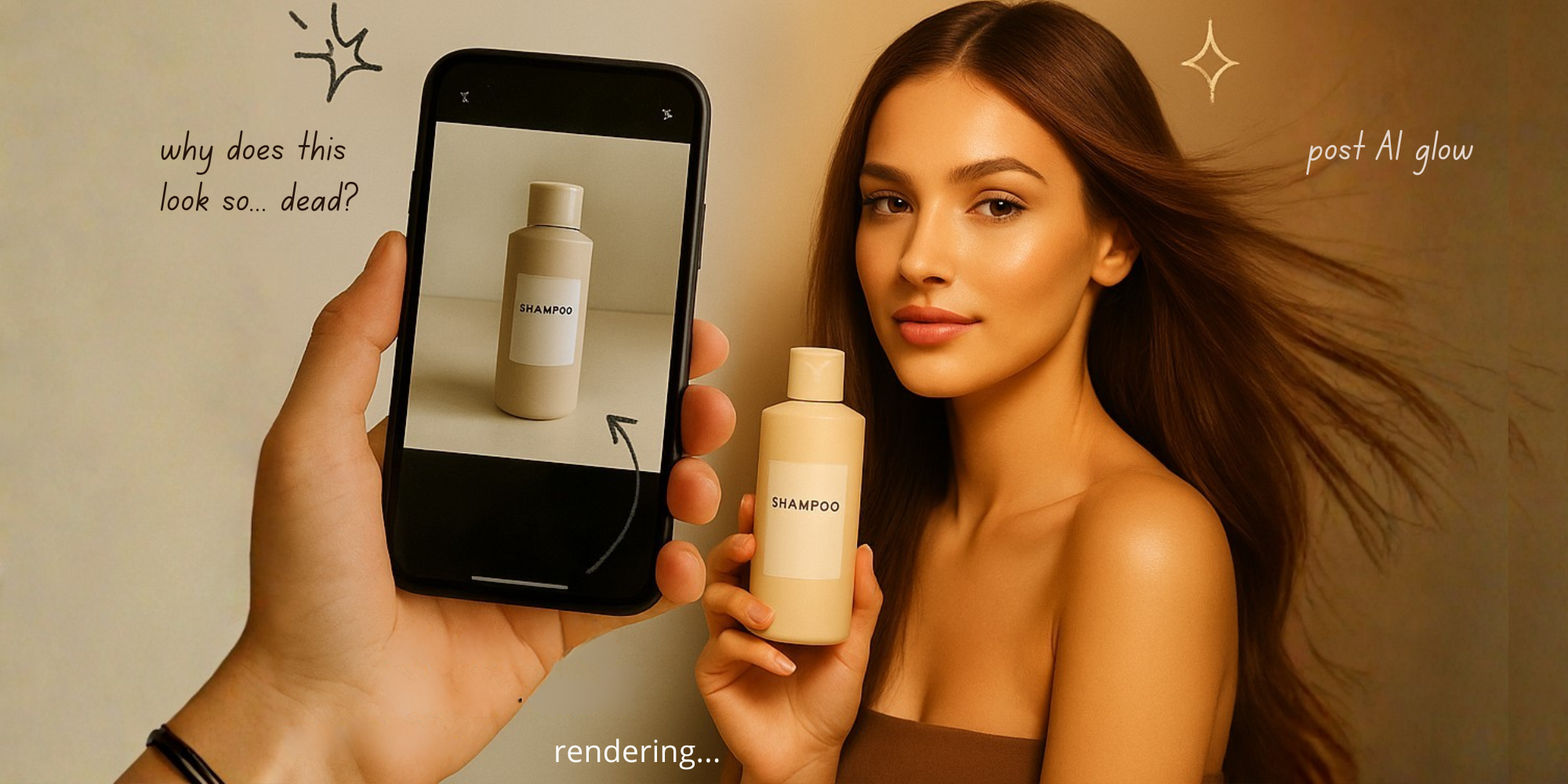
AI-Generated Product & Lifestyle Visuals
AI can create:
-
Clean, compliant product images
-
Lifestyle scenes (home, bathroom, clinical settings)
-
Ingredient and usage visuals
-
Seasonal and promotional creatives
Using a small set of existing product photos.
Cost Impact:
-
Fewer professional photoshoots
-
No repeated shoots for new SKUs or bundles
-
Faster creative turnaround at a fraction of the cost
2. AI Reduces Video Production & Editing Expenses
Video is essential for hygiene products (how-to, usage, trust messaging), but production costs add up fast.
AI-Generated Short-Form & Explainer Videos
AI can generate:
-
Usage demonstrations
-
Educational explainer videos
-
UGC-style testimonials
-
Platform-specific ad videos
Automated Editing
AI handles:
-
Captioning and subtitles
-
Resizing for all platforms
-
A/B creative variations
Cost Impact:
-
Smaller creative teams
-
Lower outsourcing costs
-
More ad variations without higher spend
3. AI Lowers Social Media & Community Management Costs
Hygiene brands must maintain high engagement and rapid response times.
AI-Powered Content Planning
AI:
-
Builds content calendars
-
Suggests trending hygiene topics
-
Automates scheduling
AI-Assisted Customer Responses
AI helps respond to:
-
Product usage questions
-
Ingredient and safety concerns
-
Delivery and availability queries
Cost Impact:
-
Reduced customer support workload
-
Consistent brand communication
-
Lower staffing costs
4. AI Reduces Inventory Waste & Overstocking
Demand in hygiene products fluctuates by season, promotions, and health trends.
Predictive Demand Forecasting
AI analyzes:
-
Sales history
-
Seasonality and spikes
-
Marketing impact
-
Regional demand
Cost Impact:
-
Lower excess inventory
-
Fewer markdowns
-
Better cash flow management
5. AI Increases Conversion Rates & Average Order Value (AOV)
Personalized Product Recommendations
AI recommends:
-
Product bundles (family packs, refills)
-
Complementary items
-
Subscription options
Revenue Impact:
-
Higher conversion rates
-
Increased basket size
-
Stronger recurring revenue
6. AI Improves Retention & Customer Lifetime Value (LTV)
AI-Driven Email & SMS Automation
AI triggers personalized messages based on:
-
Refill cycles
-
Purchase behavior
-
Subscription status
Churn Prediction
AI identifies customers likely to drop off and activates retention offers.
Revenue Impact:
-
Higher repeat purchase rates
-
Lower dependency on paid acquisition
7. AI Lowers Customer Acquisition Costs (CAC)
Smarter Ad Targeting
AI identifies:
-
High-intent households
-
Bulk buyers
-
Subscription-focused customers
Predictive Media Buying
AI reallocates spend toward:
-
High-ROAS creatives
-
Best-converting audiences
Cost Impact:
-
Reduced wasted ad spend
-
Higher ROAS
-
More efficient scaling
Want to streamline your operations with AI? At Multimedia Advertising Solutions, we help all brands use AI-powered systems to amplify marketing, automate operations, and reduce costs, at scale.